Author Archive

Putting The Eclipse Into Words

In preparation for my first ever total eclipse on Monday, I’ve repeatedly come across attempts to put the otherworldly experience of seeing a total eclipse firsthand into words. In Rivka Galchen’s Guide to the Total Solar Eclipse in The Atlantic, a cultural guide of sorts about eclipses, one of her interviewees says:

Describing an eclipse to someone who hasn’t seen one is like trying to describe the Beatles’ “Good Day Sunshine” to someone who has never heard music…You can describe notes, frequencies of vibration, but we all know that’s missing the whole thing.

I have seen a partial eclipse, but from all accounts that pales in comparison to the full show. XKCD summed up the difference between being in the path of totality or not in graph form:
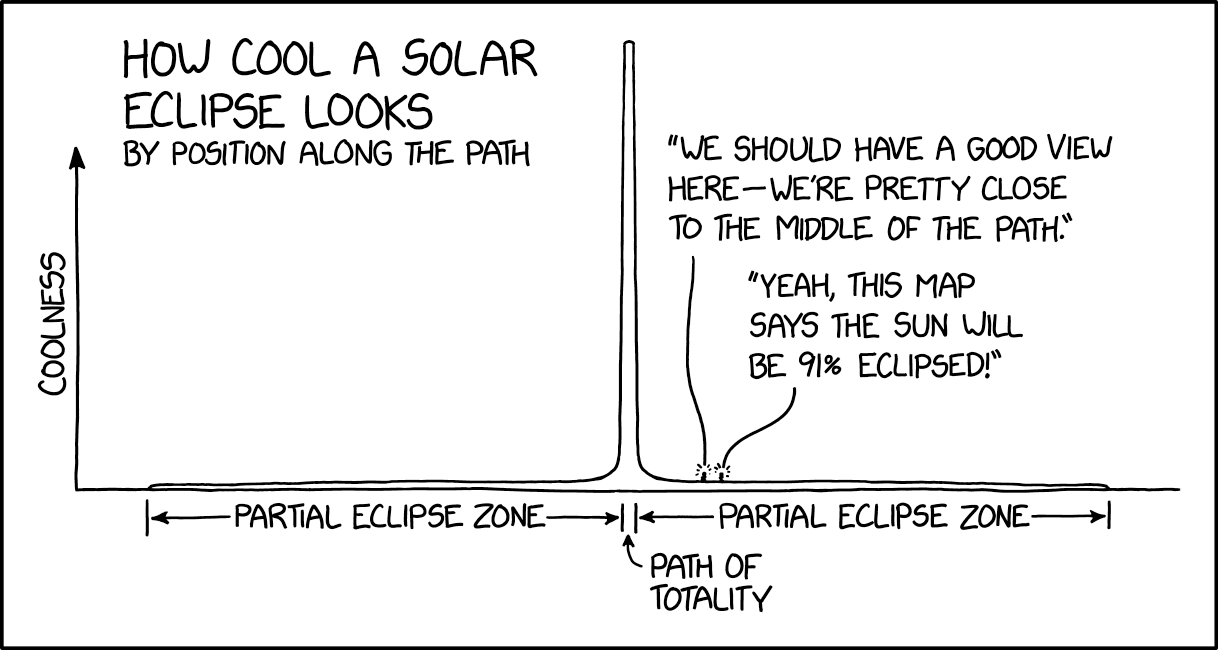
But the best summary of the difference comes from Annie Dillard’s wonderful classic article Total Eclipse in The Atlantic. It dates from 1982, but feels as though it could timelessly apply to any total eclipse. It’s certainly worth a full read.

It comes with a reminder of how big a deal it is to be within the path of totality:

Seeing a partial eclipse bears the same relation to seeing a total eclipse as kissing a man does to marrying him.
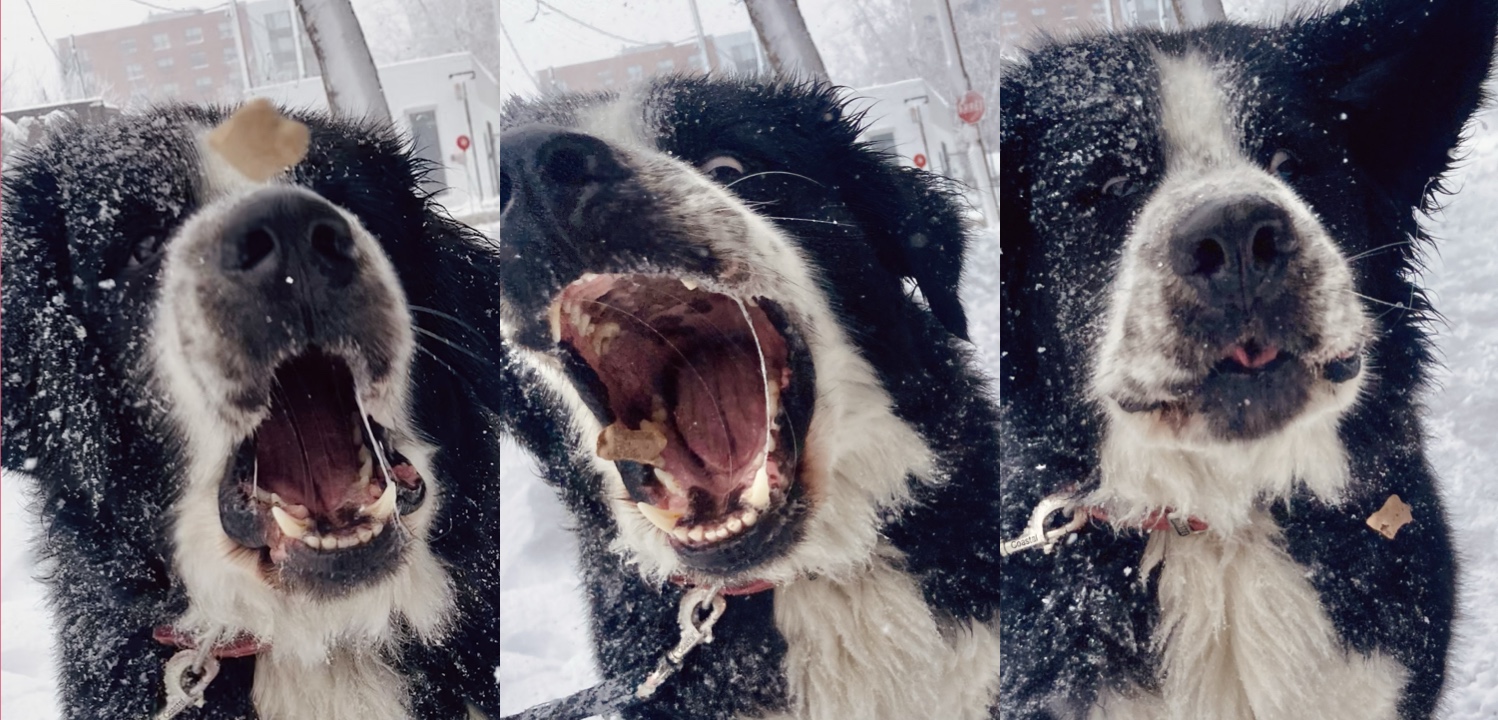
Almost Got It

My dog is a cartoon character.

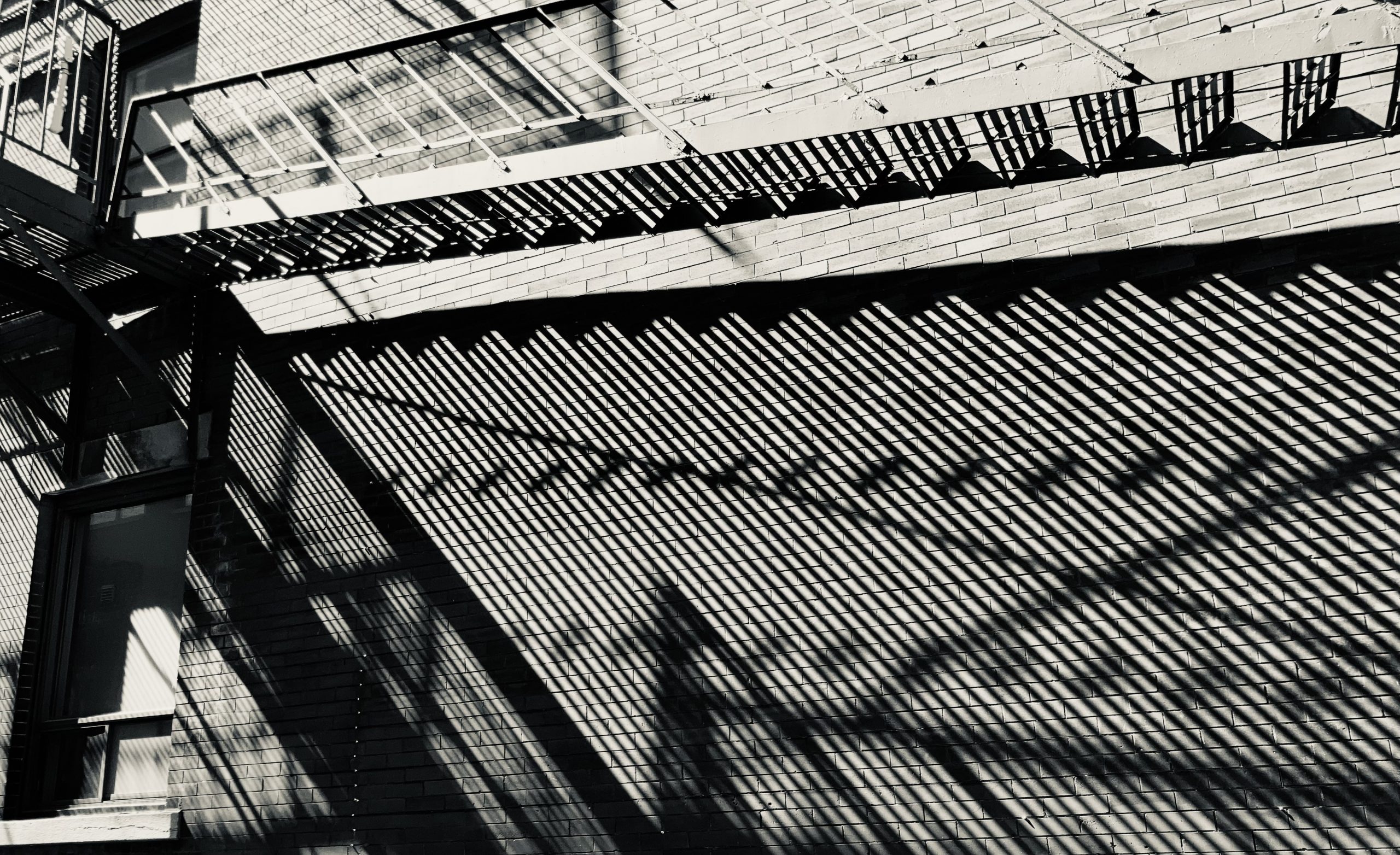
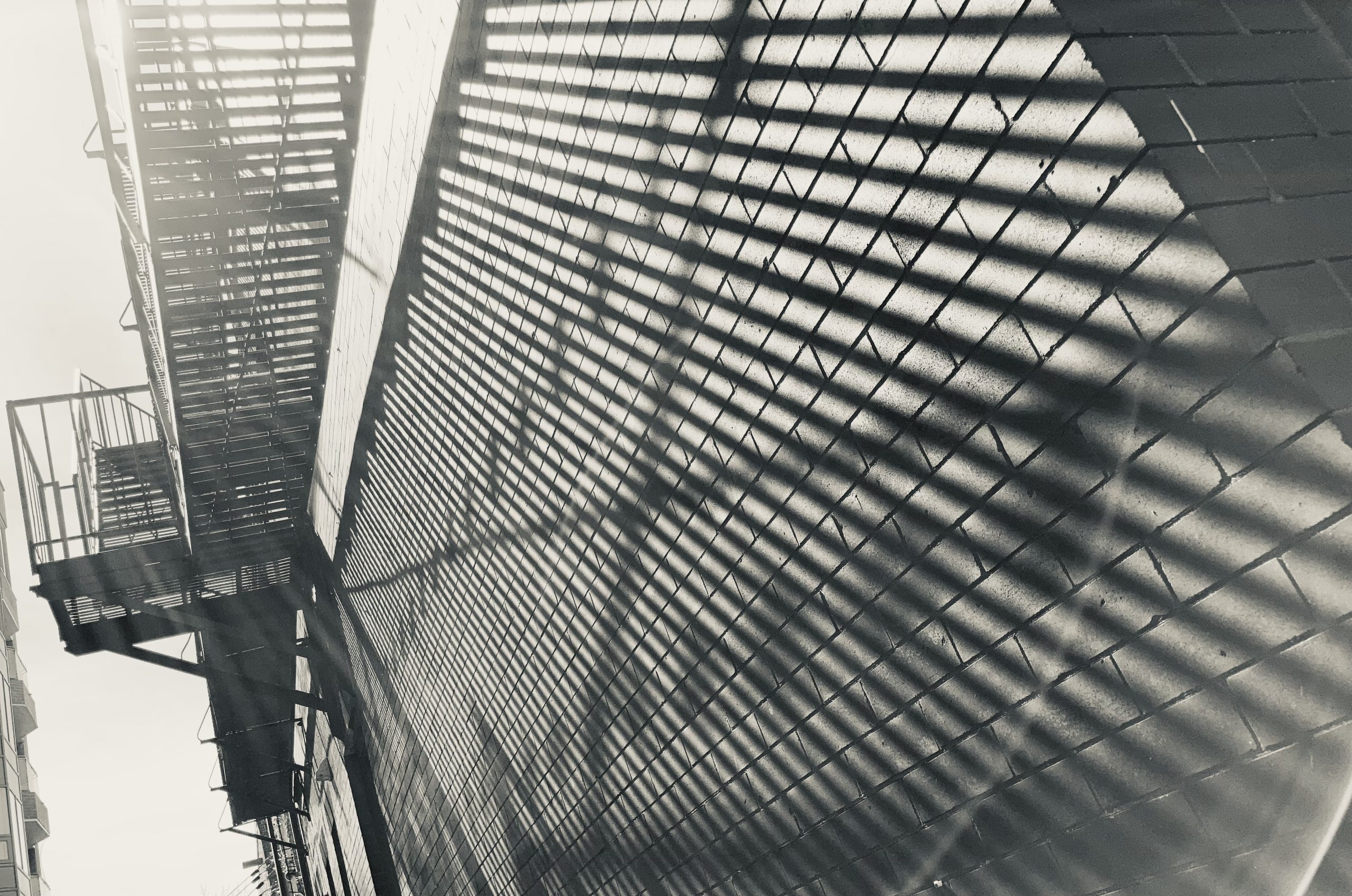
Fire Escape Light

How French is English?

This video, cheekily titled ‘Is English just badly pronounced French?‘ (spoiler: it’s not) goes into depth into all the ways that French has impacted English. Particularly mind-blowing is the fact that ‘warranty’ and ‘guarantee’ originated from different pronunciations of the same French word.

Sleeping With One Eye Open

Reading through Matthew Walker’s book Why We Sleep, I ran across this bit about animals who sleep with one half of their brain at a time. This allows one side to be asleep (with the eye on its side closed), leaving the other side to be awake (with its eye open). Dolphins are known to sleep this way. But birds do it with an interesting wrinkle, taken from the book:

In some species, many of the birds in a flock will sleep with both halves of the brain at the same time. How do they remain safe from threat? The answer is truly ingenious. The flock will first line up in a row. With the exception of the birds at each end of the line, the rest of the group will allow both halves of the brain to indulge in sleep. Those at the far left and right ends of the row aren’t so lucky. They will enter deep sleep with just one half of the brain (opposing in each), leaving the corresponding left and right eye of each bird wide open. In doing so, they provide full panoramic threat detection for the entire group, maximizing the total number of brain halves that can sleep within the flock.

Transit Stop Distances

Wonderful transit-oriented YouTuber RM Transit has a short video on how stop distances impact overall transit speeds.

Skate Park in Winter

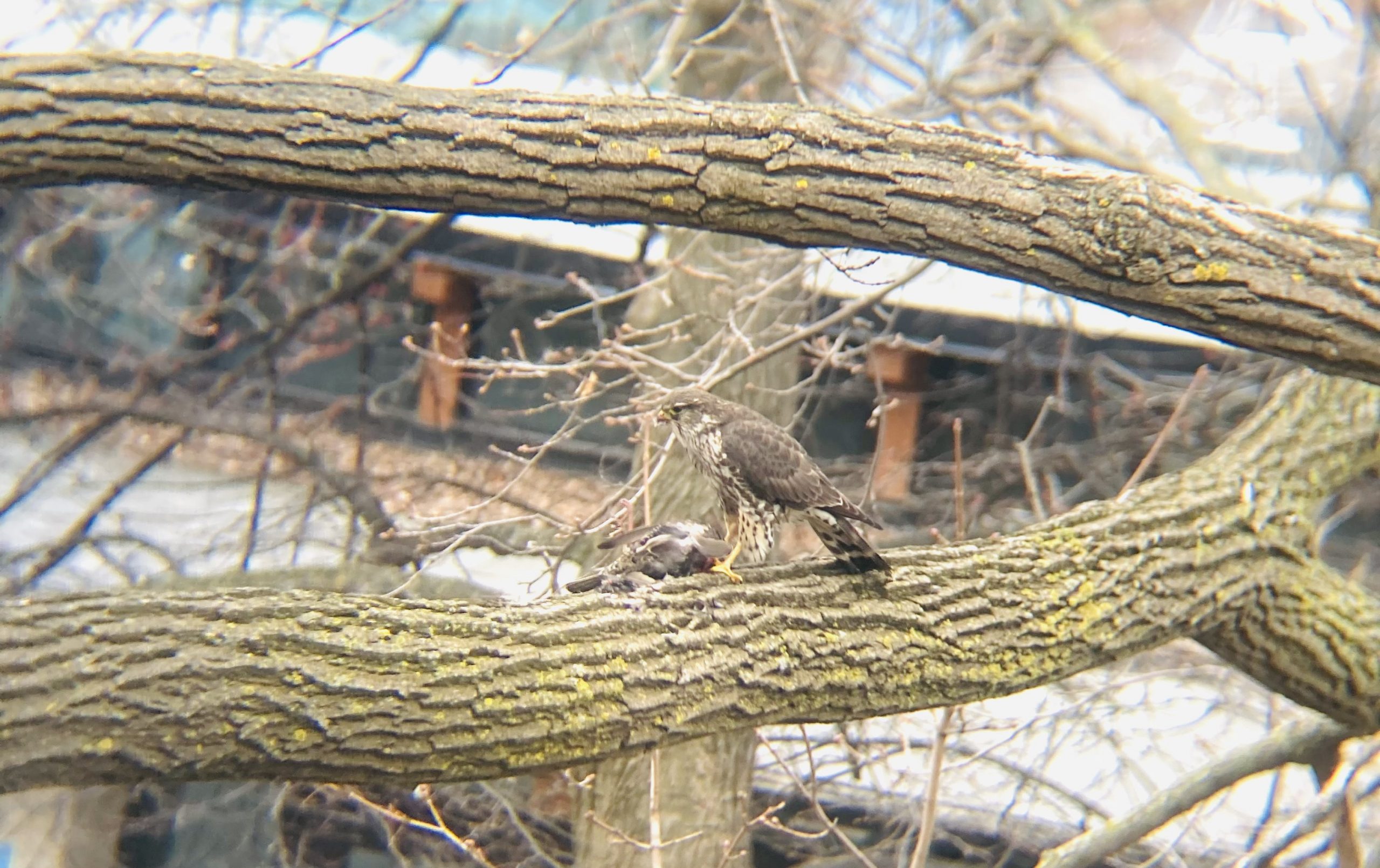
Merlin

This week I looked out my office window to see a merlin absolutely tearing into their catch.

Solar Eclipse Prep for Montrealers

This year I get a full solar eclipse on my birthday in the city where I live. The local libraries are giving out free eclipse glasses, and the school board is closing the schools for the day. Leave it to friend of Elsewhat Plateau Astro to give you a guide on everything you need to know for coming eclipse if you live in Montréal.

Ezra Klein on Search Engine

The New York Time’s Ezra Klein was on PJ Vogt’s podcast Search Engine this week. They discuss the ongoing slow-motion collapse of media and journalism. Within a couple minutes, Ezra jumps into one of the best takes I’ve heard on why local media is failing:

Newspapers practically had local monopolies and that gave them a business model. If you were an advertiser, who wanted to tell people about shoes, you advertised in the LA Times, and the LA Times took your money … the news business was selling was a local advertising monopoly, and that was very profitable, and crucially, that sustained a lot of different players who were not really in competition with each other. When I grew up in Southern California, the New York Times was probably net a better paper than the LA Times. I never read a New York Times… I barely ever saw one … Now, the New York Times is I think the biggest paper in California. The key thing happening right now is all of the general interest players are in competition with each other and that’s going to have a kind of natural effect of if you’re only going to subscribe to one large news bundle you’re going to subscribe to the largest news bundle. You went from a situation where the Baltimore Sun and the LA Times and the New York Times and like the Dallas Morning News were not competing with each other to a situation where they were.

There is a lot more there, which is worth listening to.

Listen Here →