By Neale Van Fleet on November 18th, 2023
YouTube channel Digging the Greats has a very good breakdown of how Daft Punk’s farewell album was made. See also his recent breakdown of the creation of their previous album Discovery.
By Neale Van Fleet on November 18th, 2023
YouTube channel Digging the Greats has a very good breakdown of how Daft Punk’s farewell album was made. See also his recent breakdown of the creation of their previous album Discovery.
By Neale Van Fleet on November 13th, 2023
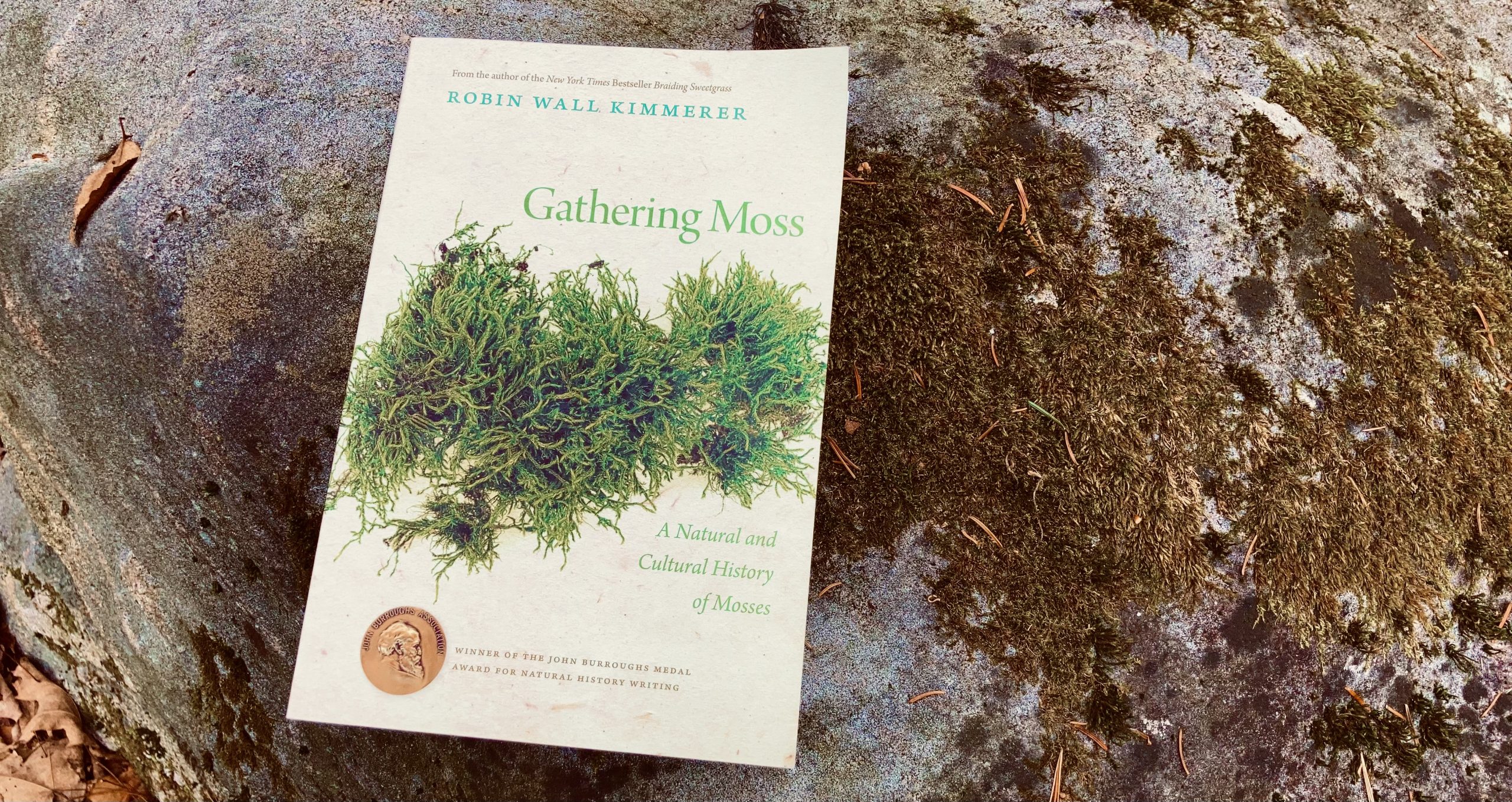
A couple of years after reading Robin Wall Kimmerer‘s Braiding Sweetgrass, I returned back to her 2003 debut non-fiction book Gathering Moss. Kimmerer is a Bryologist, or someone who studies moss. This short book gives an overview of these under appreciated organisms. Mosses don’t tend to get the sort of love or attention larger plants get. Kimmerer writes:
We carefully catalog the positions of all the moss species, calling out their names. Dicranum scoparium. Plagiothecium denticulatum. The student struggling to record all this begs for shorter names. But mosses don’t usually have common names, for no one has bothered with them. They have only scientific names, conferred with legalistic formality according to protocol set up by Carolus Linnaeus, the great plant taxonomist. Even his own name, Carl Linne, the name his Swedish mother had given him, was Latinized in the interest of science.
Her book explores many, many facets of mosses, from how they reproduce, to how peat bogs are formed. As in Braiding Sweetgrass, she also brings a perspective that blends science with an indigenous point of view. For example, this section where she describes her experience trying to figure out why a certain moss reproduces in a counterintuitive way:
But if there’s anything that I’ve learned from the woods, it’s that there is no pattern without a meaning. To find it, I needed to try and see like a moss and not like a human.
In traditional indigenous communities, learning takes a form very different from that in the American public education system. Children learn by watching, by listening, and by experience. They are expected to learn from all members of the community, human and non. To ask a direct question is often considered rude. Knowledge cannot be taken; it must instead be given. Knowledge is bestowed by a teacher only when the student is ready to receive it. Much learning takes place by patient observation, discerning pattern and its meaning by experience. It is understood that there are many versions of truth, and that each reality may be true for each teller. It’s important to understand the perspective of each source of knowledge. The scientific method I was taught in school is like asking a direct question, disrespectfully demanding knowledge rather than waiting for it to be revealed.
A+
By Neale Van Fleet on November 8th, 2023
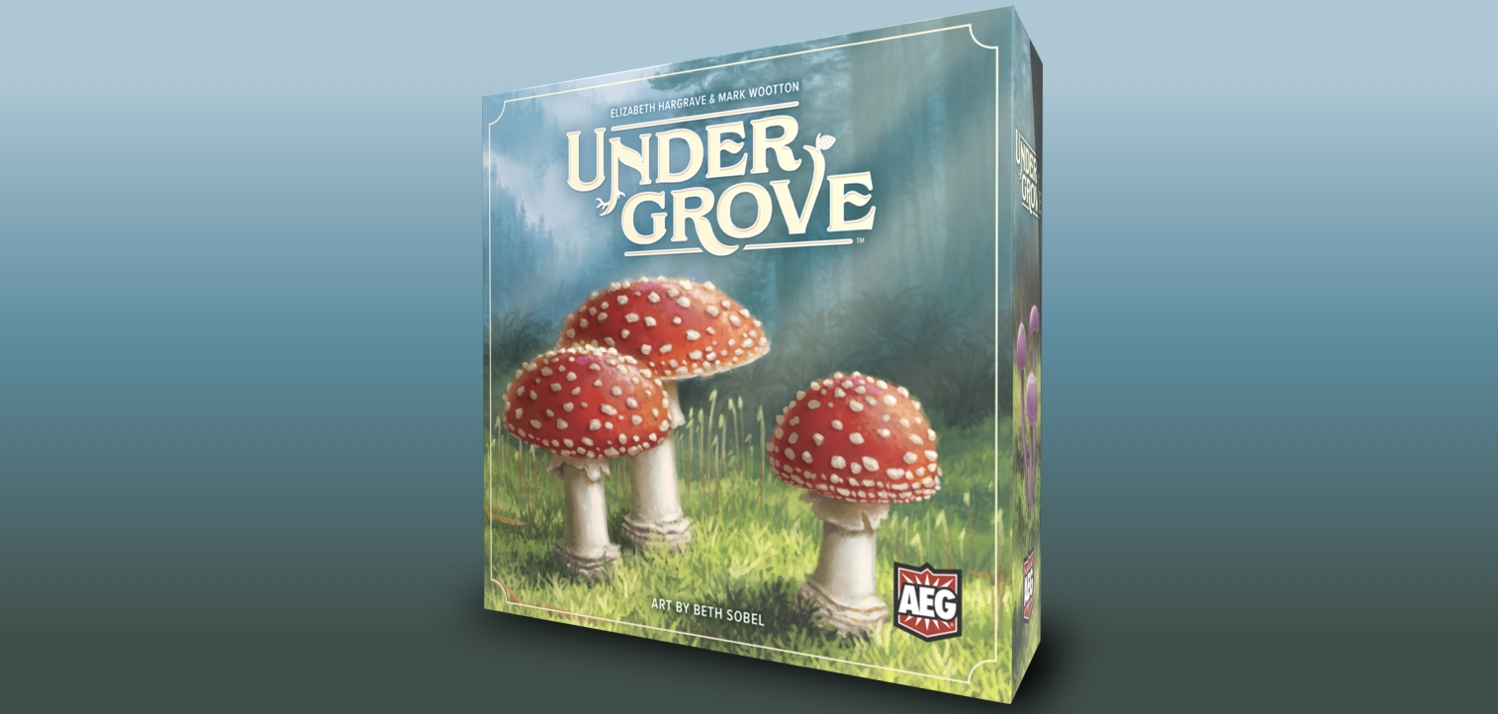
Elizabeth Hargrave, designer of the wonderful tabletop game Wingspan, has just launched a kickstarter for a brand new game about mushrooms, along with fellow game designer and former park ranger Mark Wootten.
A couple years ago I went through a series of non-fiction books which went into depth about how fungi work, starting with Braiding Sweetgrass, then onto Entangled Life, and finally Finding the Mother Tree. This trio of books were easily the most important non-fiction books I’ve read in the last 5 or so years. At the same time I was reading those books, the game I played by far the most was Wingspan.
I could not back this Kickstarter fast enough.
By Neale Van Fleet on November 1st, 2023

Excellent media/news criticism podcast (radio show?) On the Media has posted their Breaking News Consumer’s Handbook for the conflict in Israel and Gaza. This conflict has brought about a lot of misinformation and disinformation, and OTN is trying to help people try to navigate it.
By Neale Van Fleet on October 31st, 2023
It’s easy to miss the fact that our cities often cover up existing streams and rivers, often diverting them underground or into existing storm drain systems. Back in 2009, Spacing posted a wonderful map of Montréal’s hidden rivers.
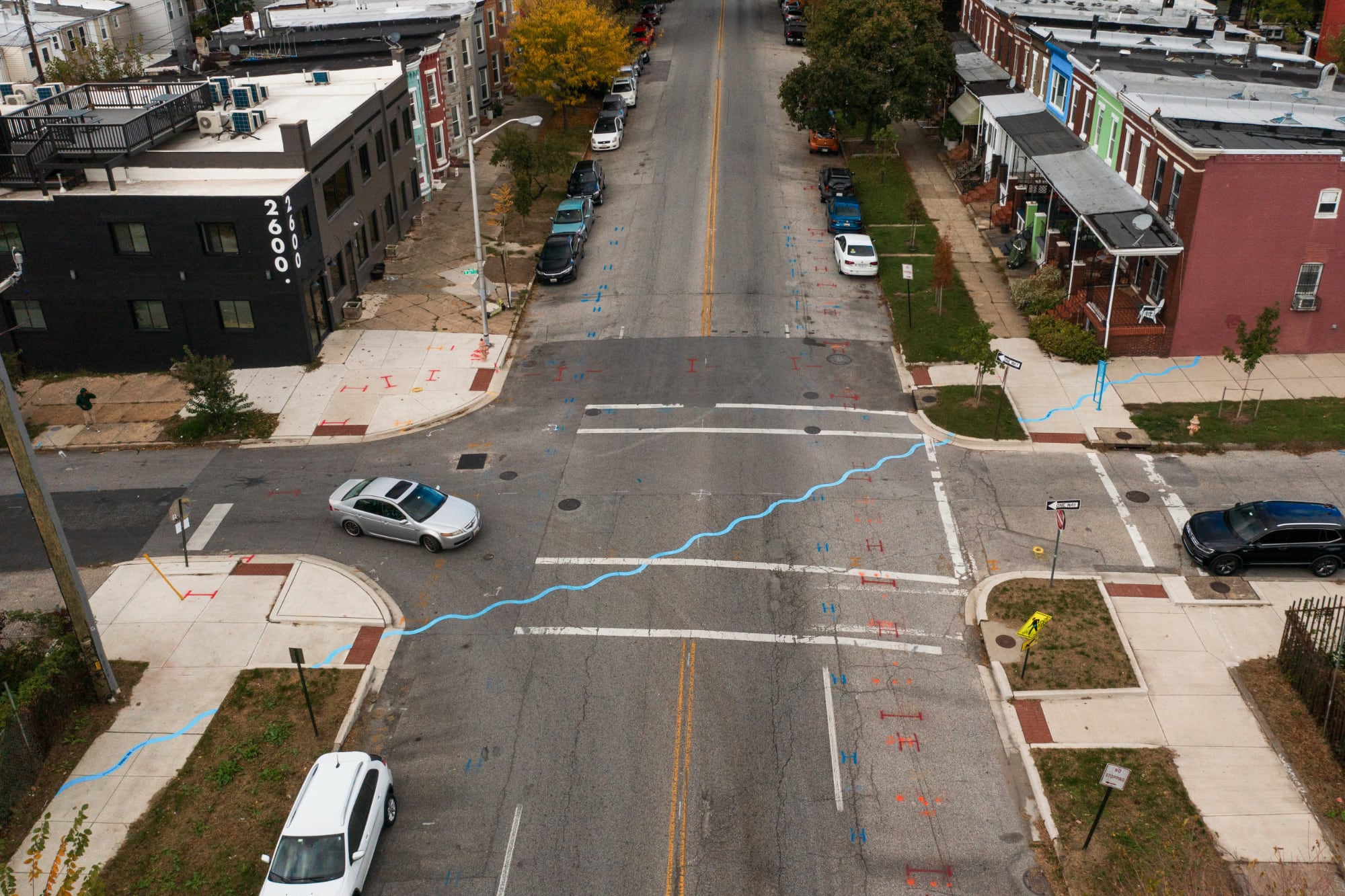
Ghost rivers is a street-level art project tracking a submerged river in Baltimore:
Ghost Rivers is a new 1.5-mile-long public art installation and walking tour by artist Bruce Willen that visualizes a lost stream buried below the streets of Baltimore.
This project explores the hidden history and path of Sumwalt Run, which now flows through underground culverts beneath the Remington and Charles Village neighborhoods.
By Neale Van Fleet on October 24th, 2023
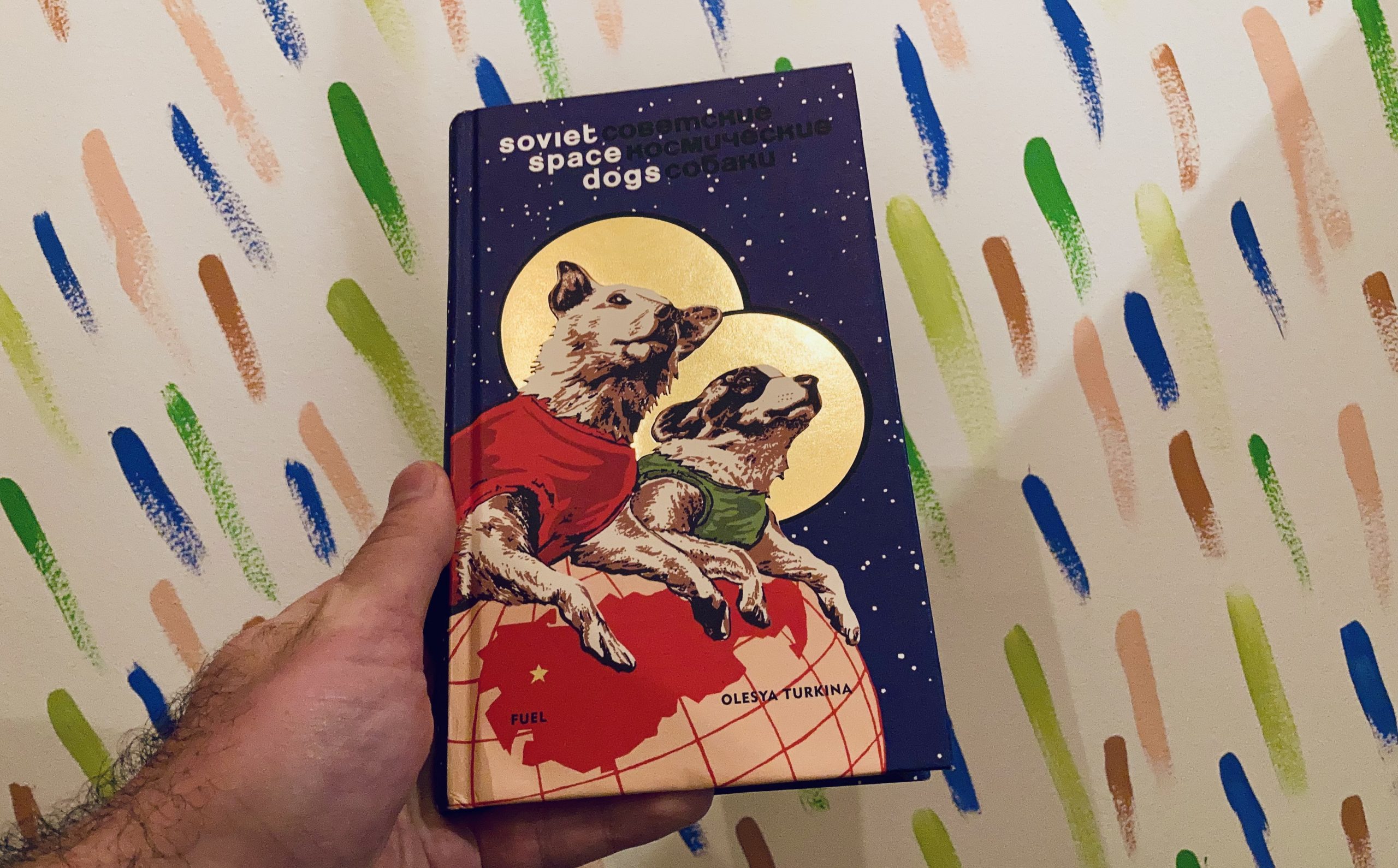
When on vacation in a new city I always make sure to drop into a used book store (if it has books in a language I can read). While visiting Portland, Maine in late summer, I visited a narrow shop with books piled high to ceiling. While in line to purchase a book, I stumbled on this little book about dogs going to space as part of the Soviet space program. Of course I had to buy it, and was not disappointed.
The Russian space dogs were all strays taken from the streets of Moscow, which they believed made them hardier than house dogs. They were chosen for health and size (they had to fit into a small suitcase-size habitat), but also for looks, as the USSR would end up putting them on all sorts of propaganda. See below, for example, Laika-branded cigarettes, or the matchbox label on the right.
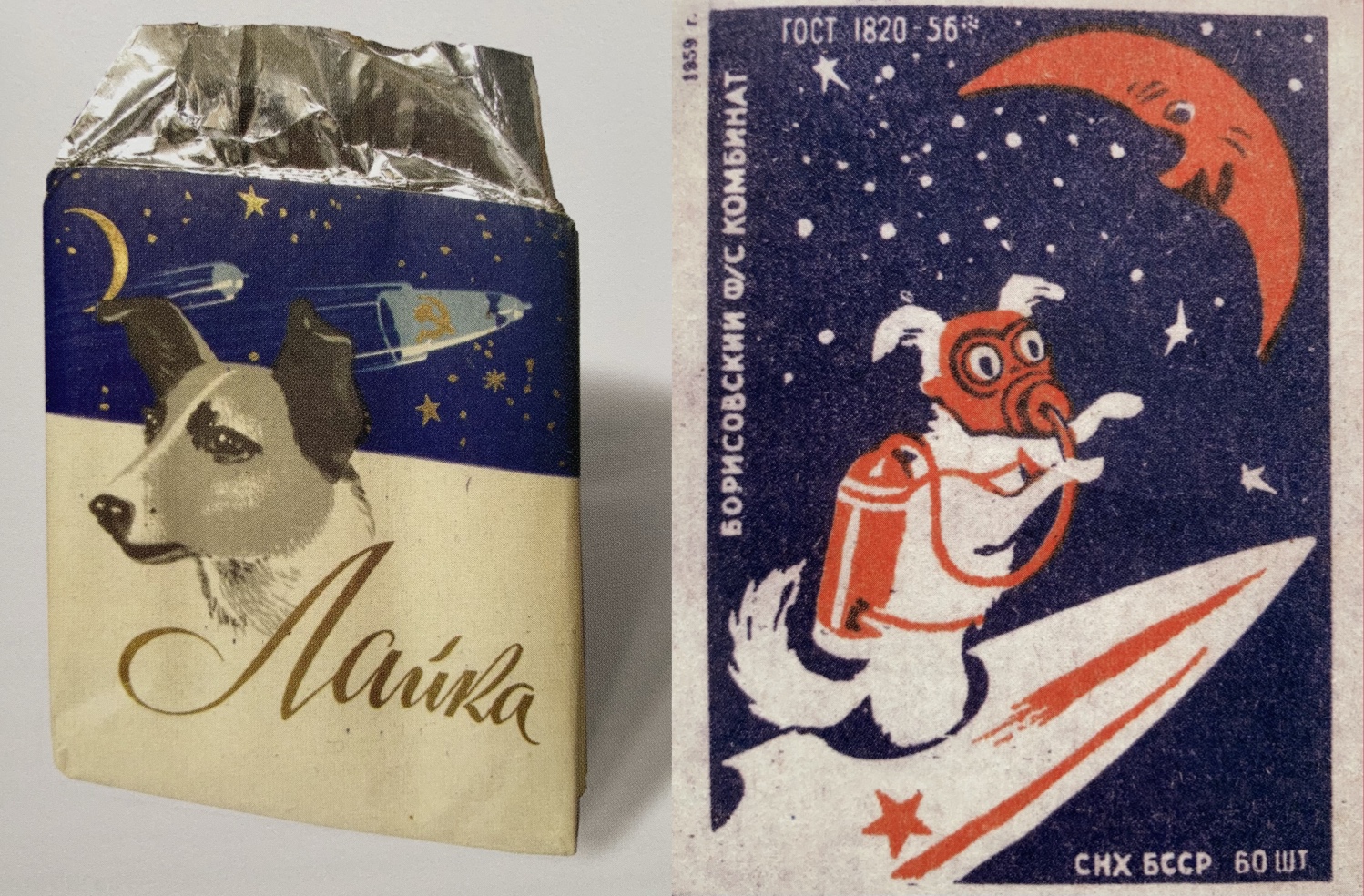
Laika was the most famous of the soviet cosmonaut animals, but close behind her were the pair of Belka and Strelka, who grace the cover of the book. While Laika met a rather horrible end when the cooling system of her Sputnik capsule failed, the two cover dogs landed safely back on earth and were heroes in the USSR.
By Neale Van Fleet on October 23rd, 2023
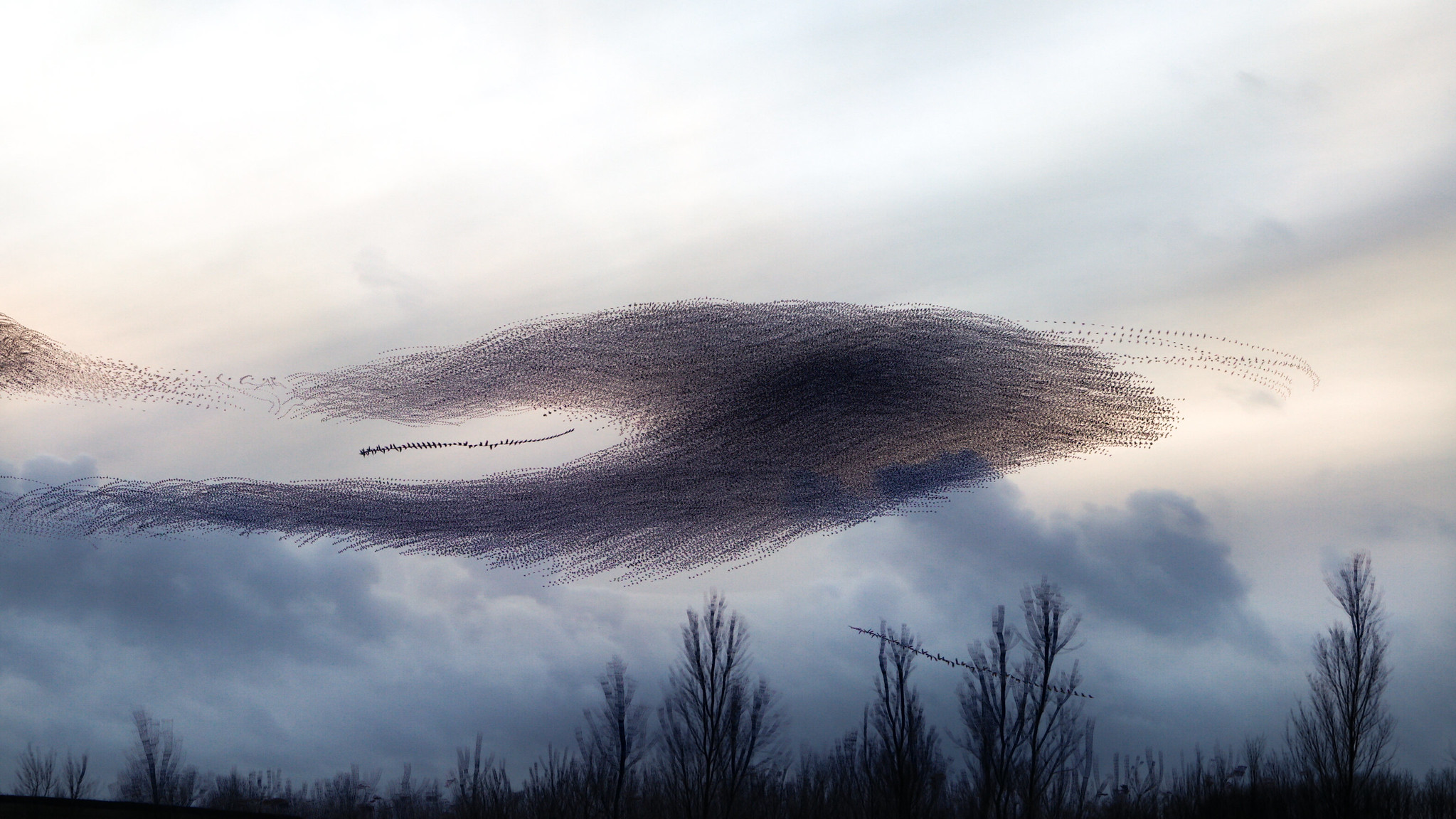
A simple idea, beautifully executed. The England-based photographer takes sequences of bird flight and combines them into composite images that track the motion of the entire flock. Above, a predator makes a brief chase of this massive murmuration.
The artist writes about the way these birds avoid predators by moving together:
By diluting the risk as the group size increases, the chance of any one individual suffering predation decreases and many eyes means that vigilance increases with the number of individuals.
Most aerial predators (sparrowhawk, peregrine falcon for example) hunt by targeting a single bird. The confusion caused by the constant movement may hinder their ability to lock onto an individual.
By Neale Van Fleet on October 21st, 2023
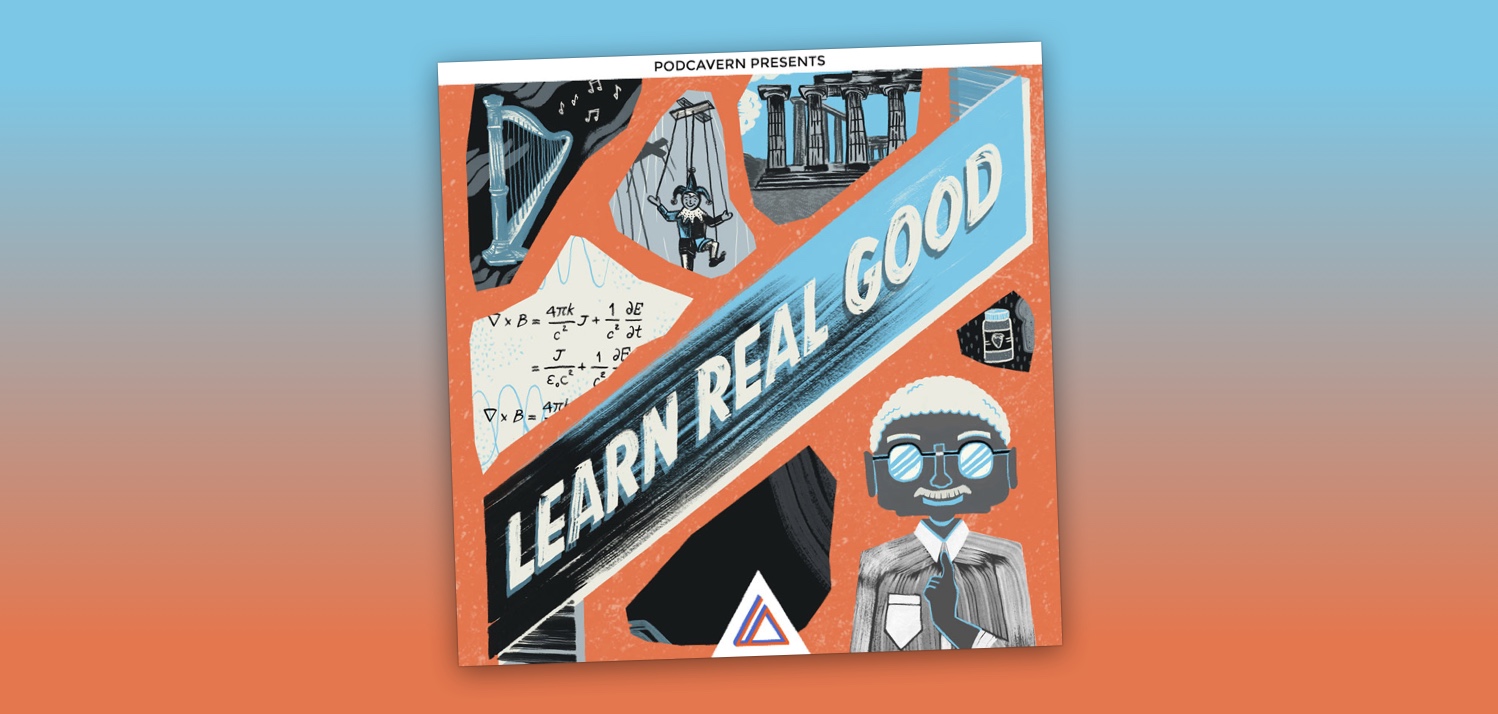
This is a great science podcast made by the charming pair of Katie (trained biologist), and Vinny (trained in physics). Using their combined science backgrounds, speaking skills honed via improv theatre, and natural chemistry, they’re excellent hosts and interviewers of scientists working on all sorts of subjects. They just launched a new season, and it continues to be a very informative and fun listen.
Each episode consists of general science banter centred around recent science news or fact, followed by a more in-depth interview with a research student about their current work.
By Neale Van Fleet on October 18th, 2023
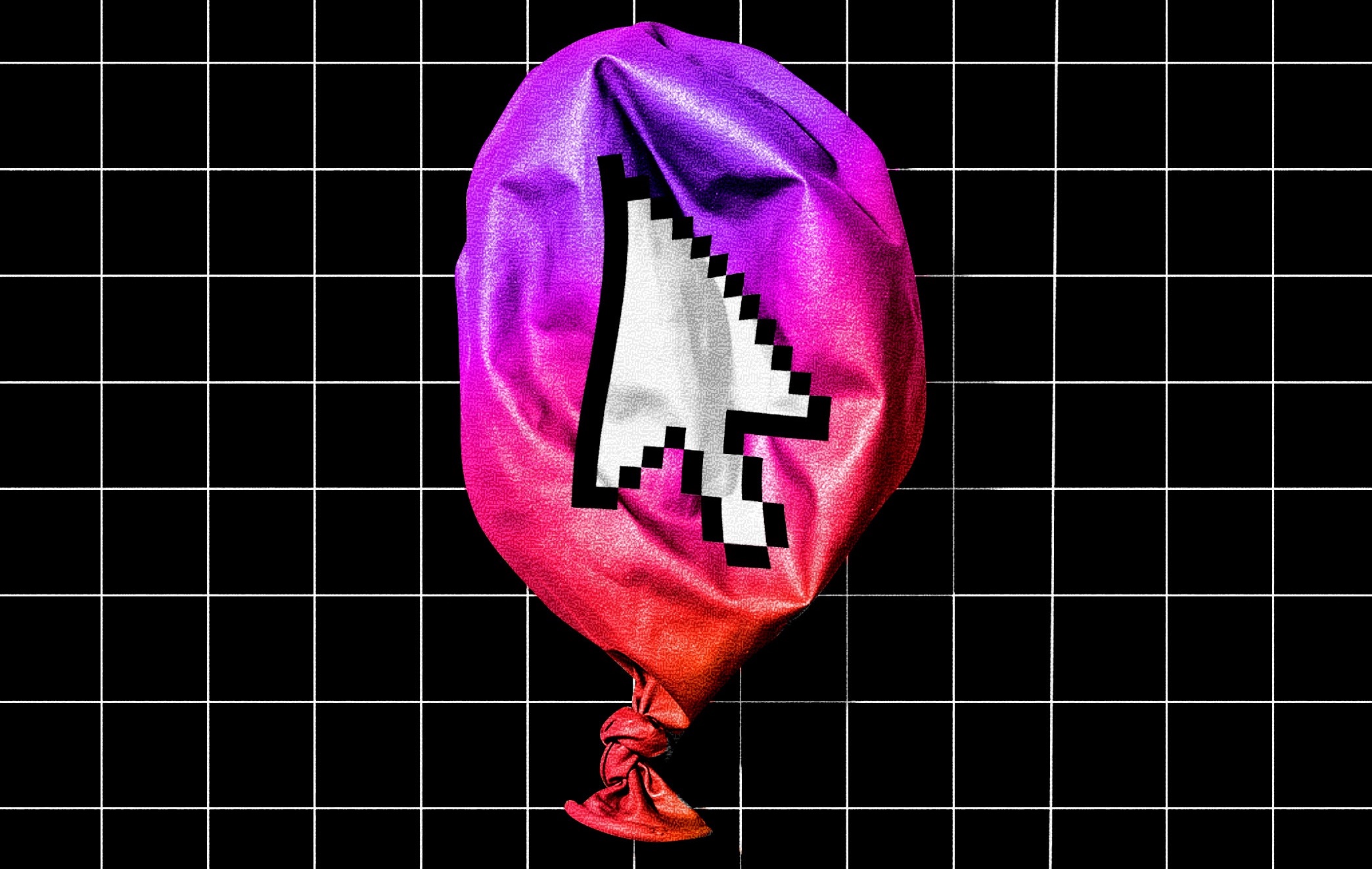
The New Yorker has a piece about how much worse the internet has gotten. It’s not exactly a secret, but this article sums up a lot of the current state of things online:
Elsewhere online, things are similarly bleak. Instagram’s feed pushes months-old posts and product ads instead of photos from friends. Google search is cluttered with junky results, and S.E.O. hackers have ruined the trick of adding “Reddit” to searches to find human-generated answers.
Later it hits on what I think is one of the key issues at play:
According to Eleanor Stern, a TikTok video essayist with nearly a hundred thousand followers, part of the problem is that social media is more hierarchical than it used to be. “There’s this divide that wasn’t there before, between audiences and creators,” Stern said. The platforms that have the most traction with young users today—YouTube, TikTok, and Twitch—function like broadcast stations, with one creator posting a video for her millions of followers; what the followers have to say to one another doesn’t matter the way it did on the old Facebook or Twitter.
Thanks Rafa
By Neale Van Fleet on October 17th, 2023

Stewart Brand’s classic Whole Earth Catalog, a sort of 70’s proto-blog in paper about building, the environment, crafts, and more, has made all their issues available online for free. This is something I’ve heard referenced in books and articles many, many times, but only now can I actually read them all.