Labanotation: a Written Language for Dance

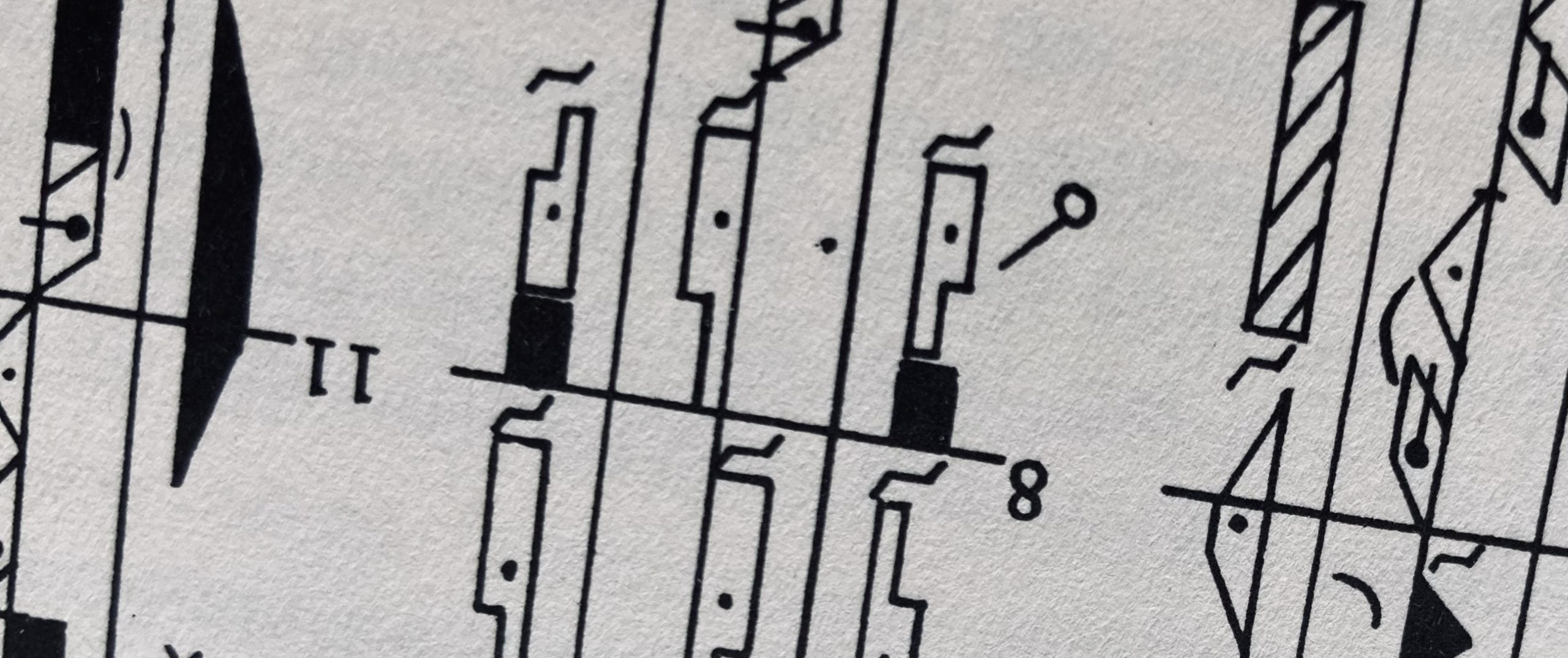
To oversimplify, written words, like these I’m writing, are humanity’s way of recording spoken words. Musical notation are how we record a song. But what if we want to record a dance or other movements? Enter Labanotation, a written language for recording human movements developed in the 1920’s.

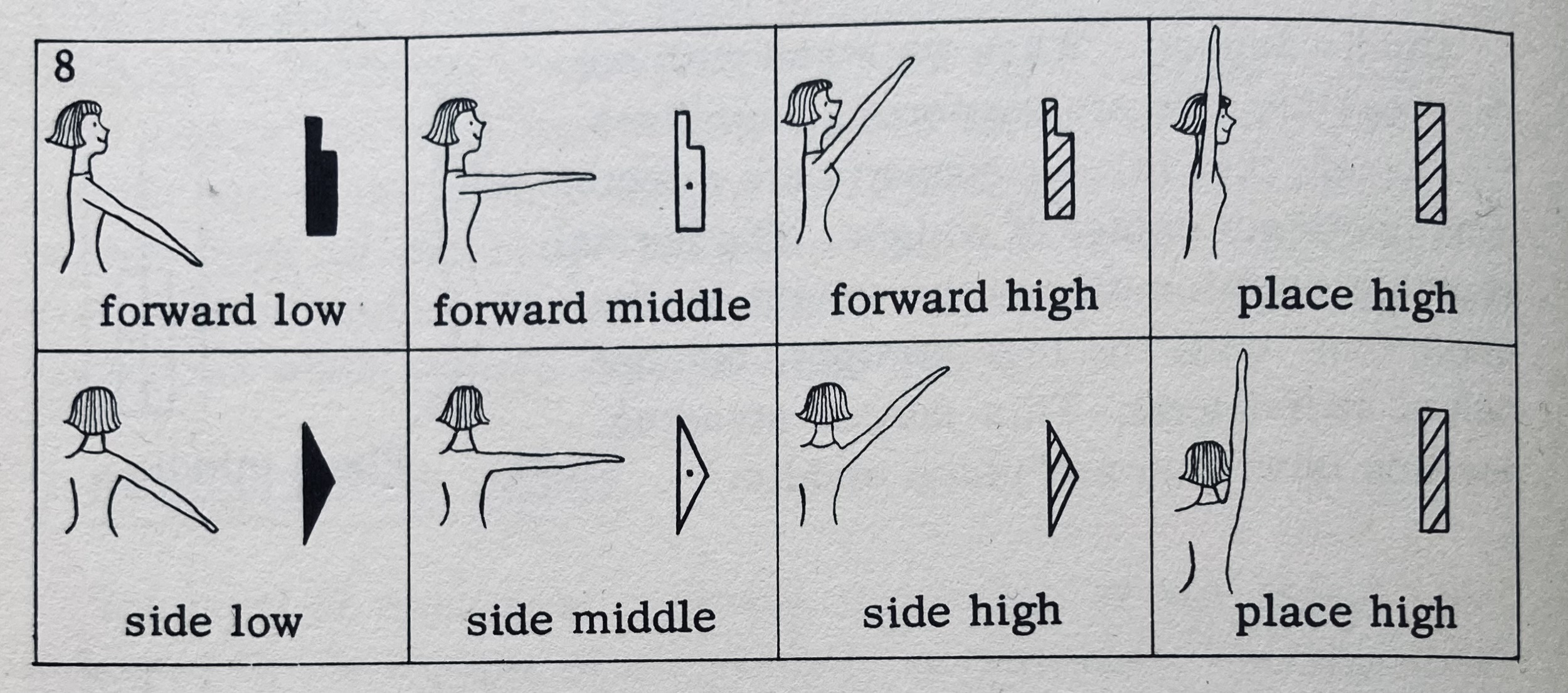
In Labanotation, movements of different parts of the body are mapped to symbols:

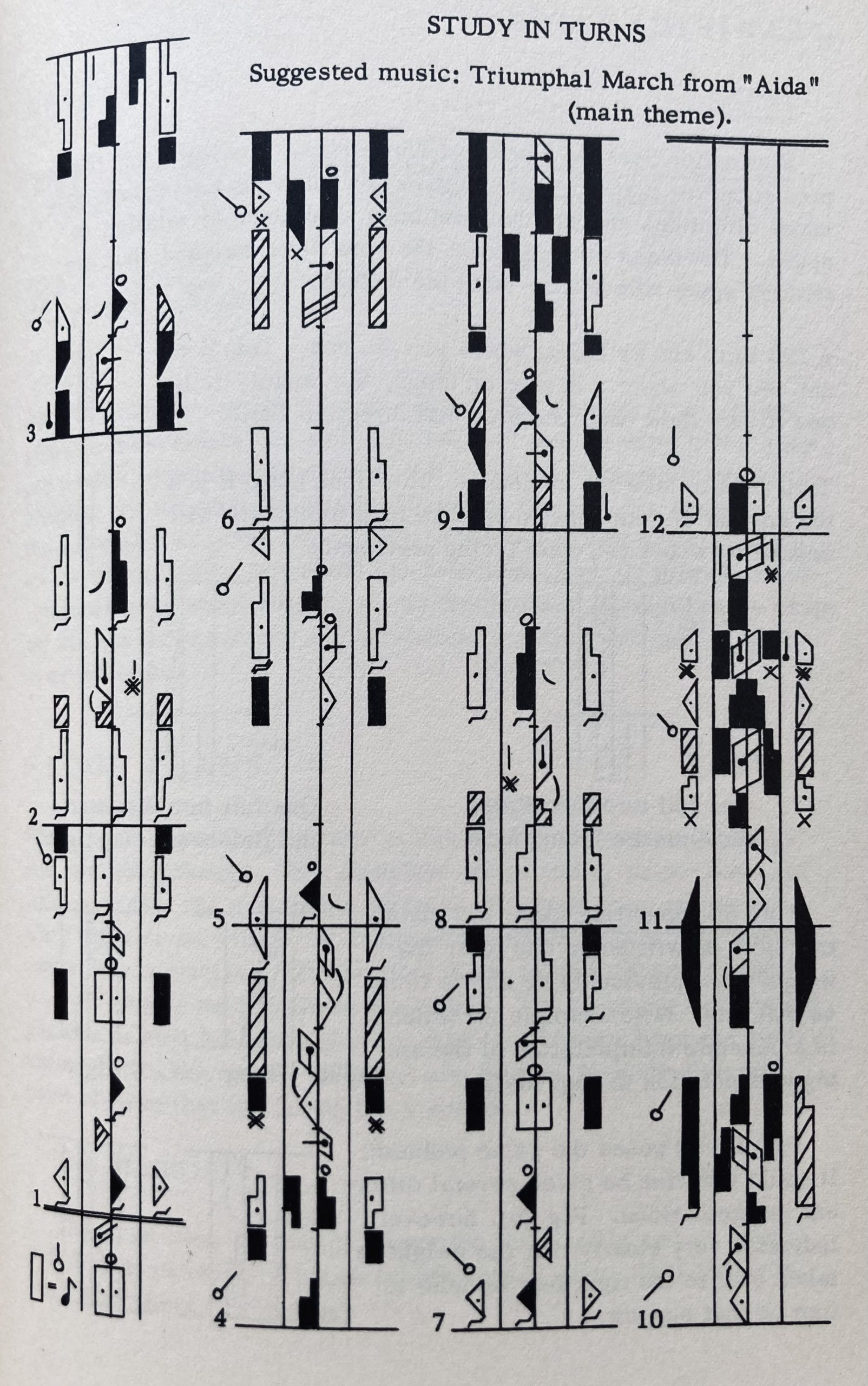
The result is a language that, read from bottom to top, tracks a series of simultaneous motions into one synchronized flow of symbols:

Found via artist Eija Loponen-Stephenson.

Nick Ryan at Produit Rien

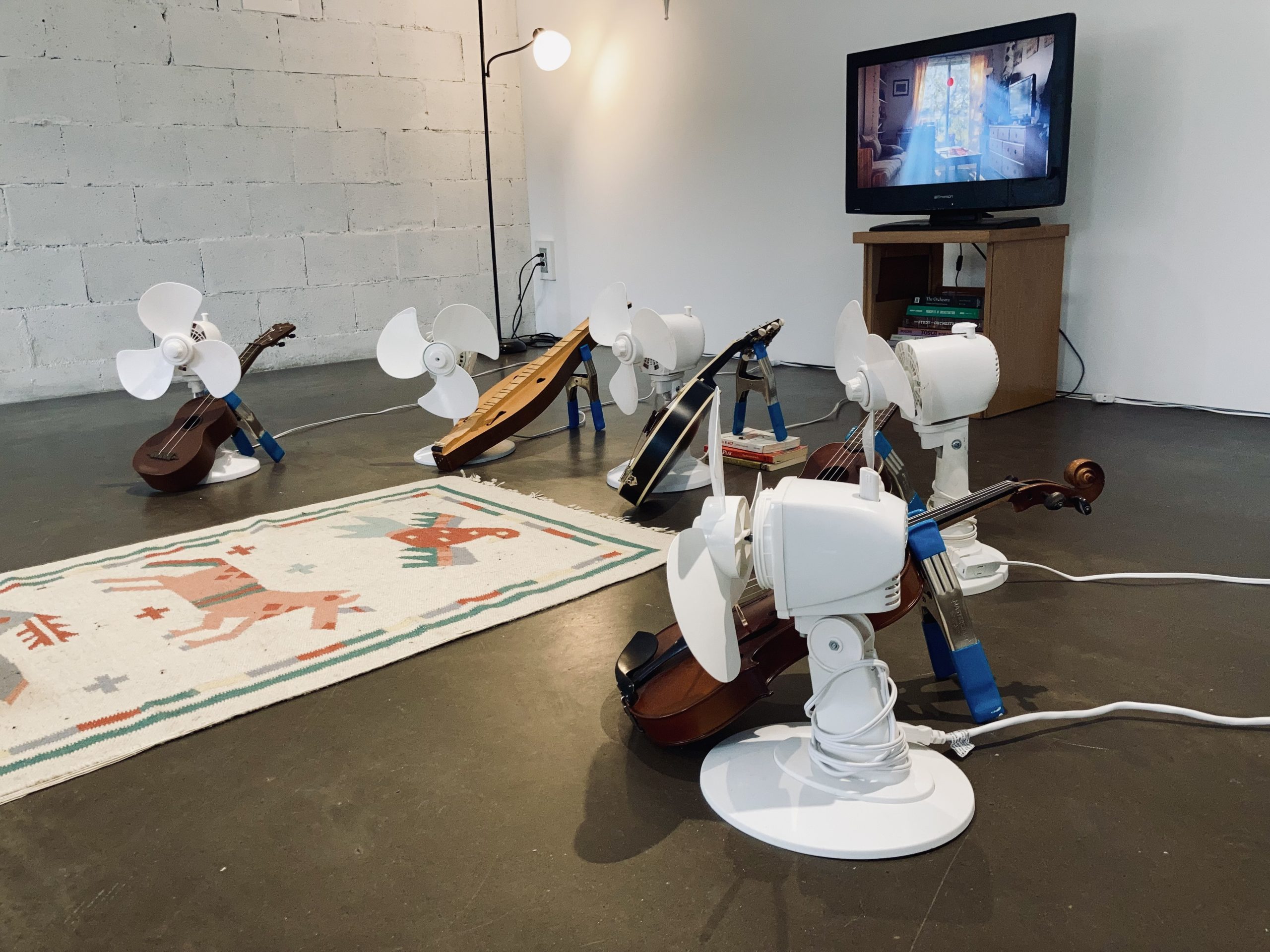
The local art gallery near my house has a wonderful little exhibit this week with a variety of musical works by an artist named Nick Ryan, whose other work and biographical information I’ve failed to find.

The works consist of simple household object arranged in such a way as to play music when electricity is applied (which is accomplished by random timers). It’s simple, and playful, and can be completely explored in about 10 minutes.

On from January 24 to 28th or so at Produit Rien in Mile Ex.

Prescience of Environmental Posters

The New York Times has a review of an exhibition of vintage environmental posters. The article has a nice gallery of some wonderfully designed and often poignant examples of graphic design with a message.

Read More →

Via Rafa

What is My Cookie Cutter?

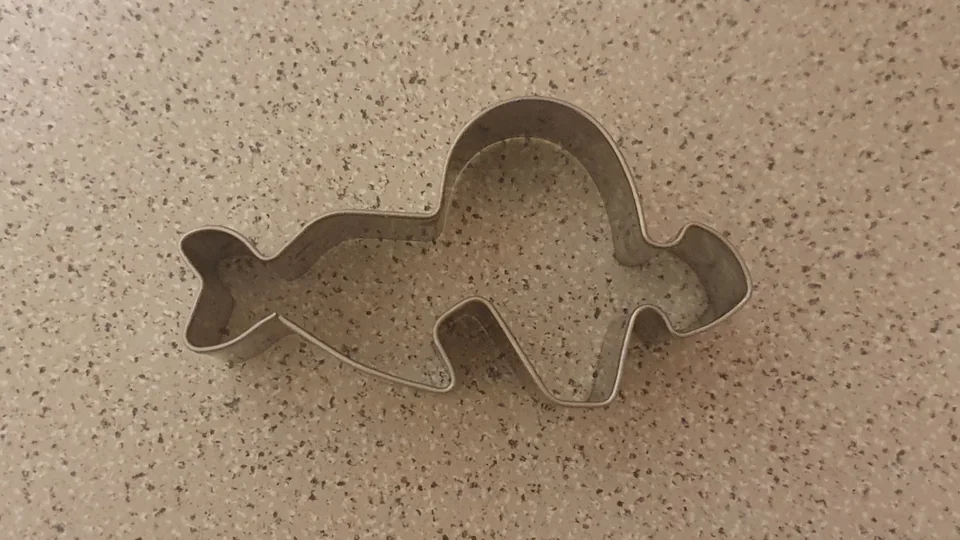
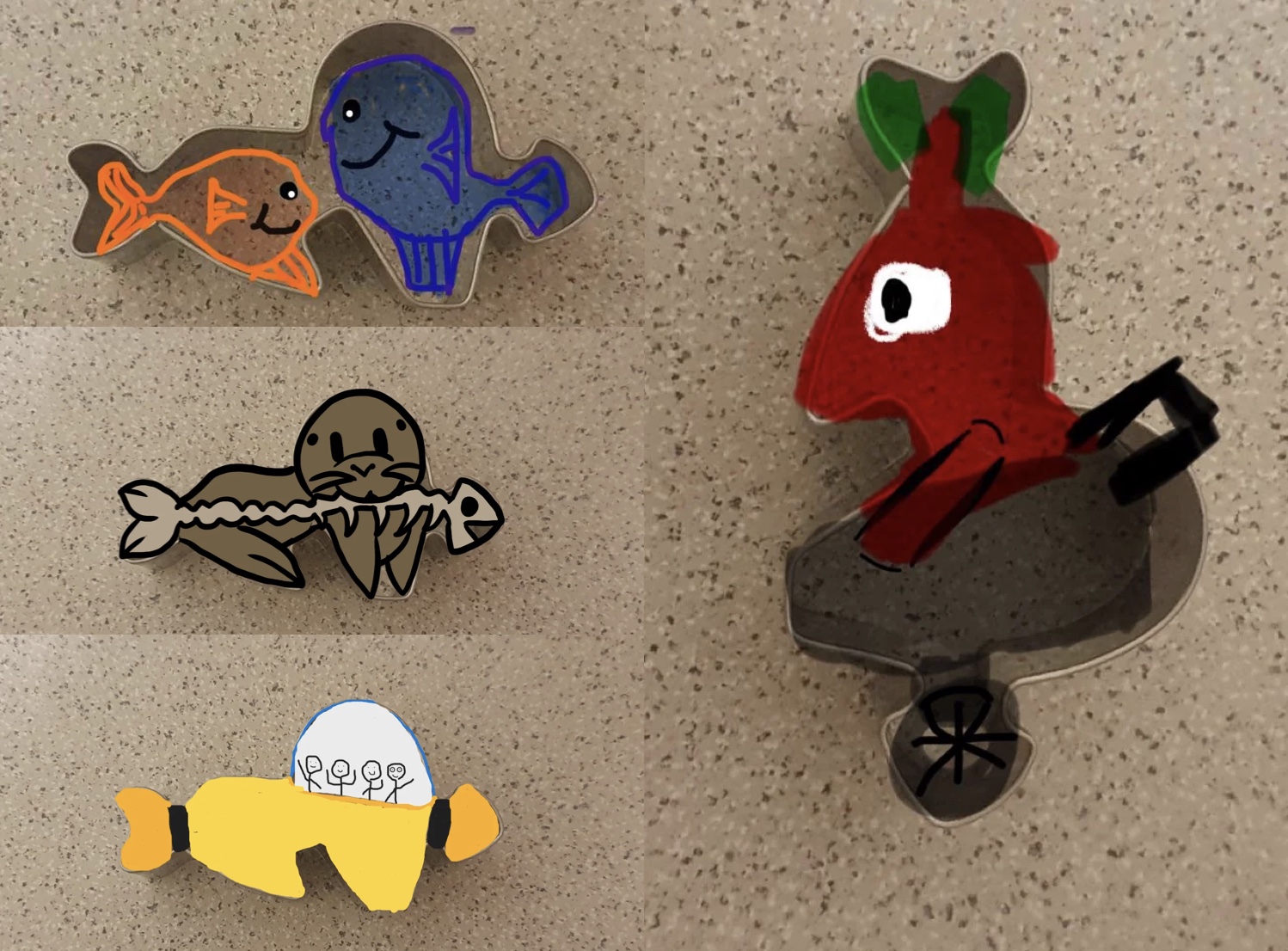
Remember when the internet was fun? This subreddit feels like the internet in the early 2000’s again. People post photos of their indecipherable cookie cutters, and other Redditors help them try to figure them out with MS-Paint-esque drawings. Or, just as likely, they try and come up with the most absurd thing they think it could be.

Visit What is my Cookie Cutter →

Said the Gramophone's Best Songs of 2023

My favourite blog post of every year is the best songs of the year by friend of Elsewhat’s Sean Michaels. I always discover a whole trove of new songs and artists.

Read 2023’s List Here →

What If?

Speaking of XKCD, Randall Munroe also just launched a short video about the technical limits of using the Hubble Space Telescope to take pictures of the earth.

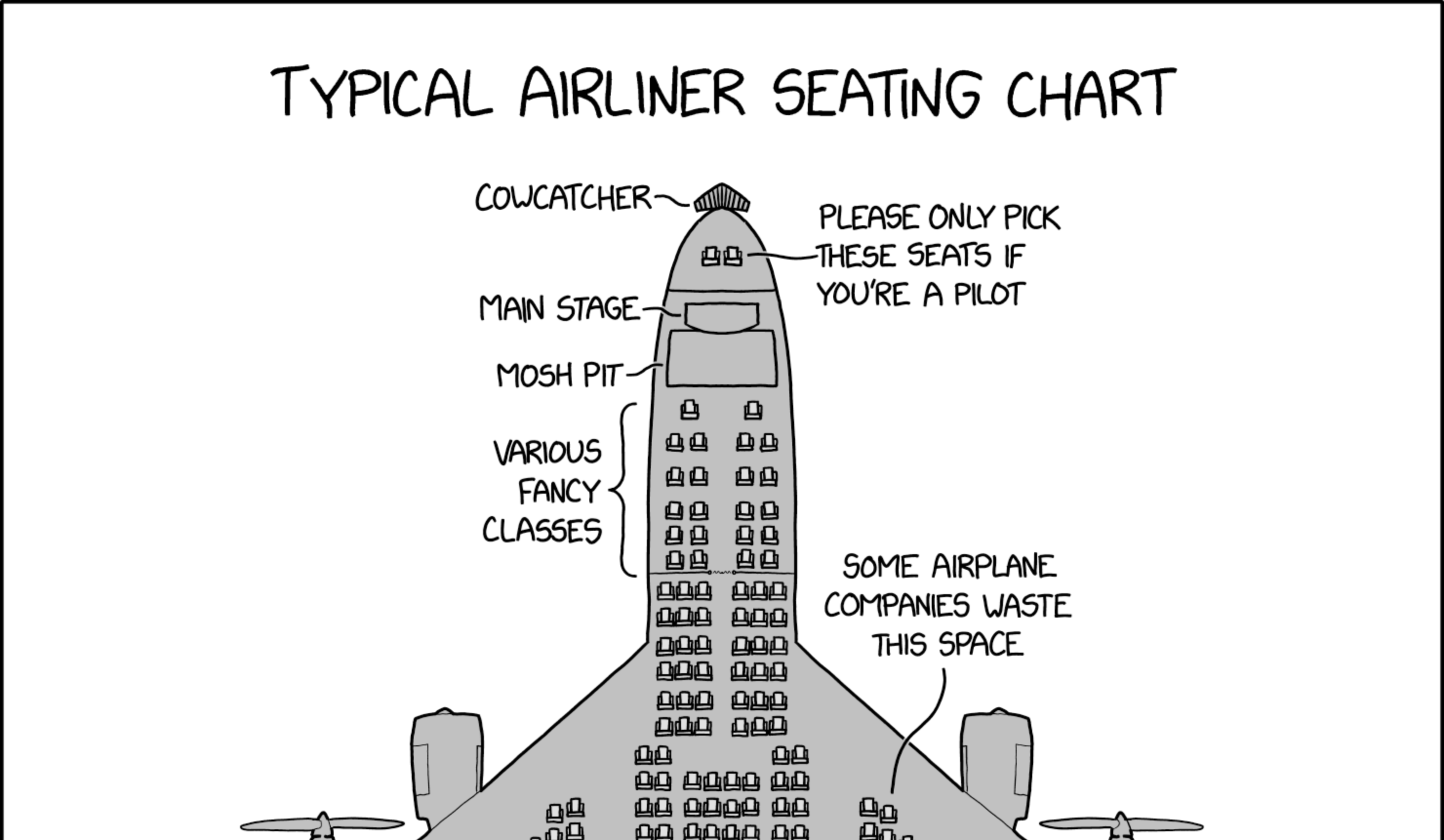
XKCD Airline Seating Chart

XKCD with more of his usual goofy fun.

Read Whole Comic →

9 Ways to Imagine Jeff Bezos' Wealth

Great visual essay from The New York Times by Mona Chilabi.

The average full-time Amazon employee made $37,930 in 2020. In order to accumulate as much money as Bezos ($172 billion) … an employee would have had to start working in the Pliocene Epoch (4.5 million years ago, when hominids had just started standing on two feet!).

Read it here →

Why 'Random Access Memories' is a Masterpiece

YouTube channel Digging the Greats has a very good breakdown of how Daft Punk’s farewell album was made. See also his recent breakdown of the creation of their previous album Discovery.

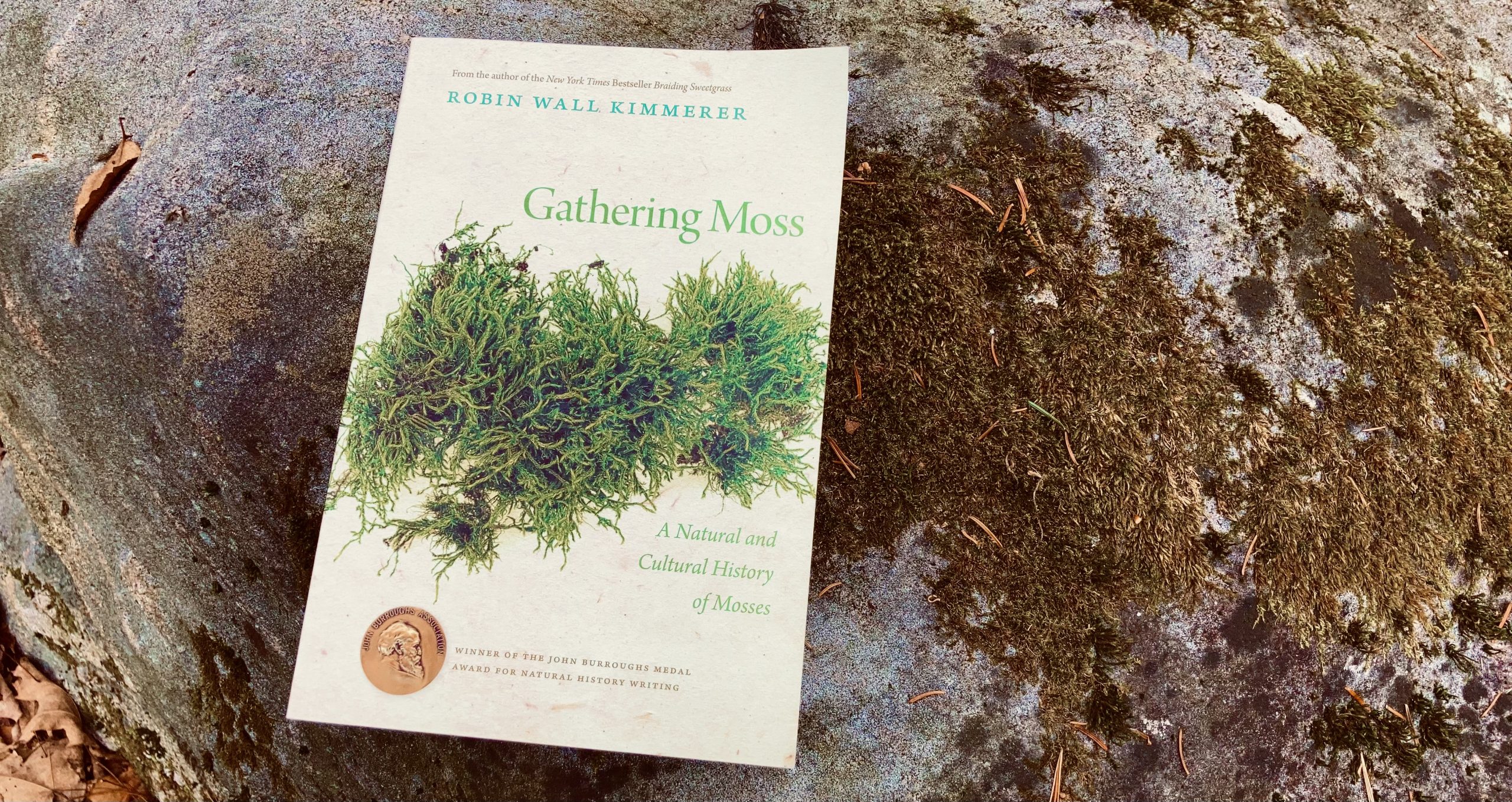
Book: Gathering Moss

A couple of years after reading Robin Wall Kimmerer‘s Braiding Sweetgrass, I returned back to her 2003 debut non-fiction book Gathering Moss. Kimmerer is a Bryologist, or someone who studies moss. This short book gives an overview of these under appreciated organisms. Mosses don’t tend to get the sort of love or attention larger plants get. Kimmerer writes:

We carefully catalog the positions of all the moss species, calling out their names. Dicranum scoparium. Plagiothecium denticulatum. The student struggling to record all this begs for shorter names. But mosses don’t usually have common names, for no one has bothered with them. They have only scientific names, conferred with legalistic formality according to protocol set up by Carolus Linnaeus, the great plant taxonomist. Even his own name, Carl Linne, the name his Swedish mother had given him, was Latinized in the interest of science.

Her book explores many, many facets of mosses, from how they reproduce, to how peat bogs are formed. As in Braiding Sweetgrass, she also brings a perspective that blends science with an indigenous point of view. For example, this section where she describes her experience trying to figure out why a certain moss reproduces in a counterintuitive way:

But if there’s anything that I’ve learned from the woods, it’s that there is no pattern without a meaning. To find it, I needed to try and see like a moss and not like a human.

In traditional indigenous communities, learning takes a form very different from that in the American public education system. Children learn by watching, by listening, and by experience. They are expected to learn from all members of the community, human and non. To ask a direct question is often considered rude. Knowledge cannot be taken; it must instead be given. Knowledge is bestowed by a teacher only when the student is ready to receive it. Much learning takes place by patient observation, discerning pattern and its meaning by experience. It is understood that there are many versions of truth, and that each reality may be true for each teller. It’s important to understand the perspective of each source of knowledge. The scientific method I was taught in school is like asking a direct question, disrespectfully demanding knowledge rather than waiting for it to be revealed.

A+