By Neale Van Fleet on July 27th, 2023
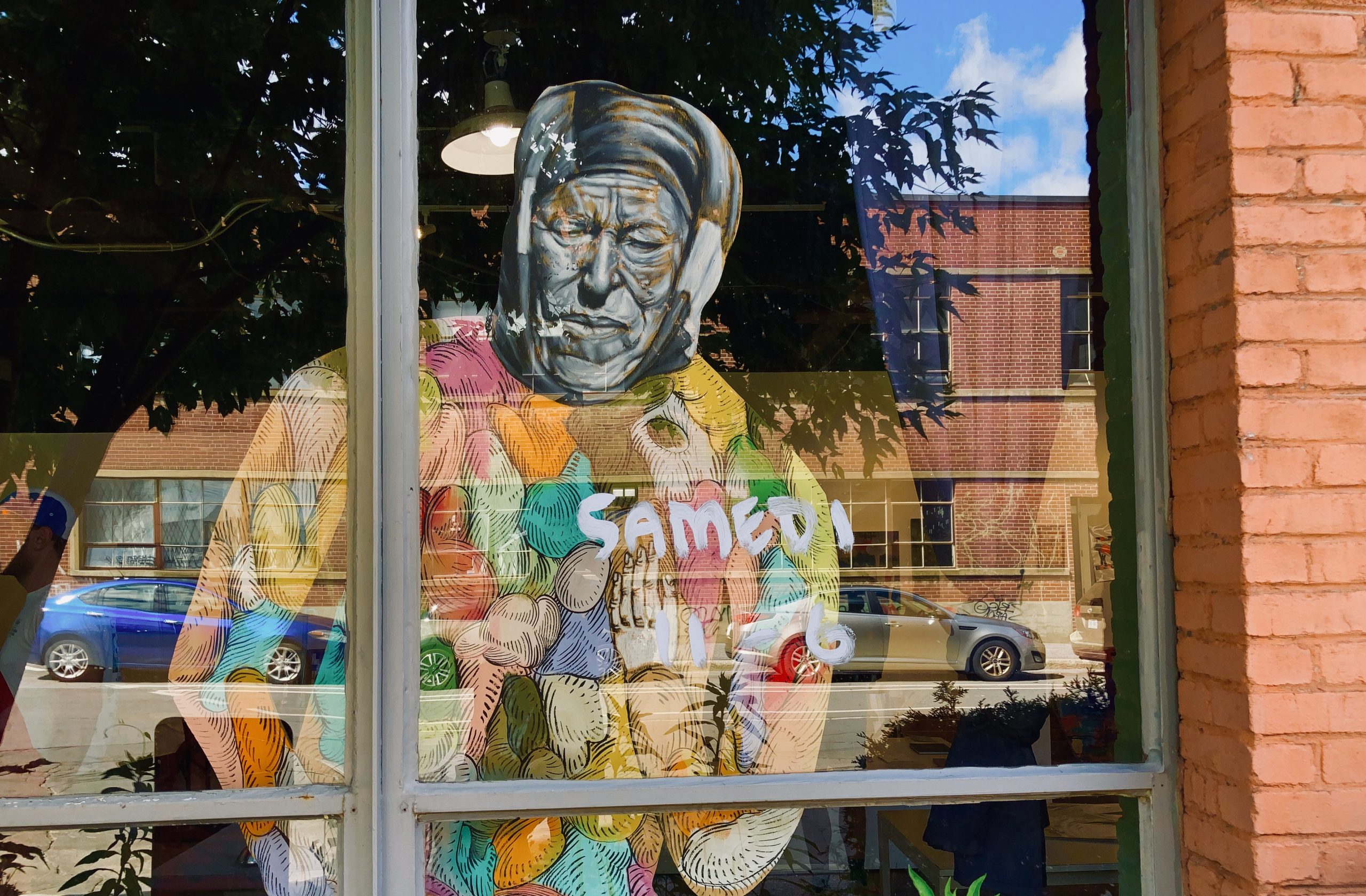
A piece by Montréal street artist Other, which has been propped up into a window in the Mile Ex neighbourhood. Other is part of a small group of artists who tend to use paint pastels, often doing their work on the side of freight trains.
By Neale Van Fleet on July 27th, 2023
Friend of Elsewhat Jason Roberts, author of the amazing A Sense of the World, gave a great talk at the Long Now about what happens when something is so utterly obvious that history fails to properly record it. Plus he provides his tongue-in-cheek solution to the problem.
By Neale Van Fleet on July 26th, 2023
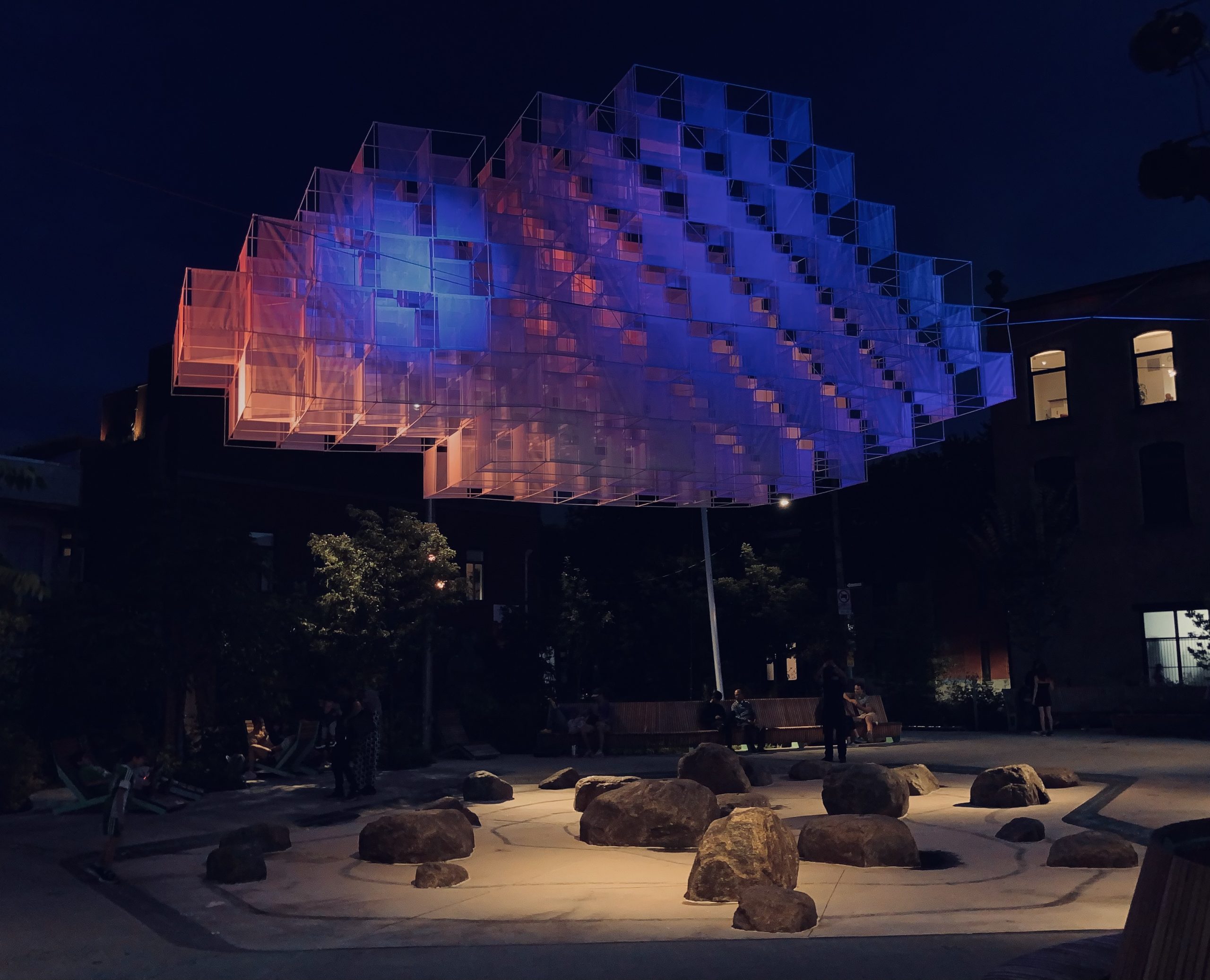
This piece of public art mirrors the weather forecast by changing the colours of lights illuminating this floating rendition of a cloud. Its name translates as the ridiculous Cloudy with a strong chance of ‘Wow!’. The above indicates coming rain and storms, which turned out to be correct.
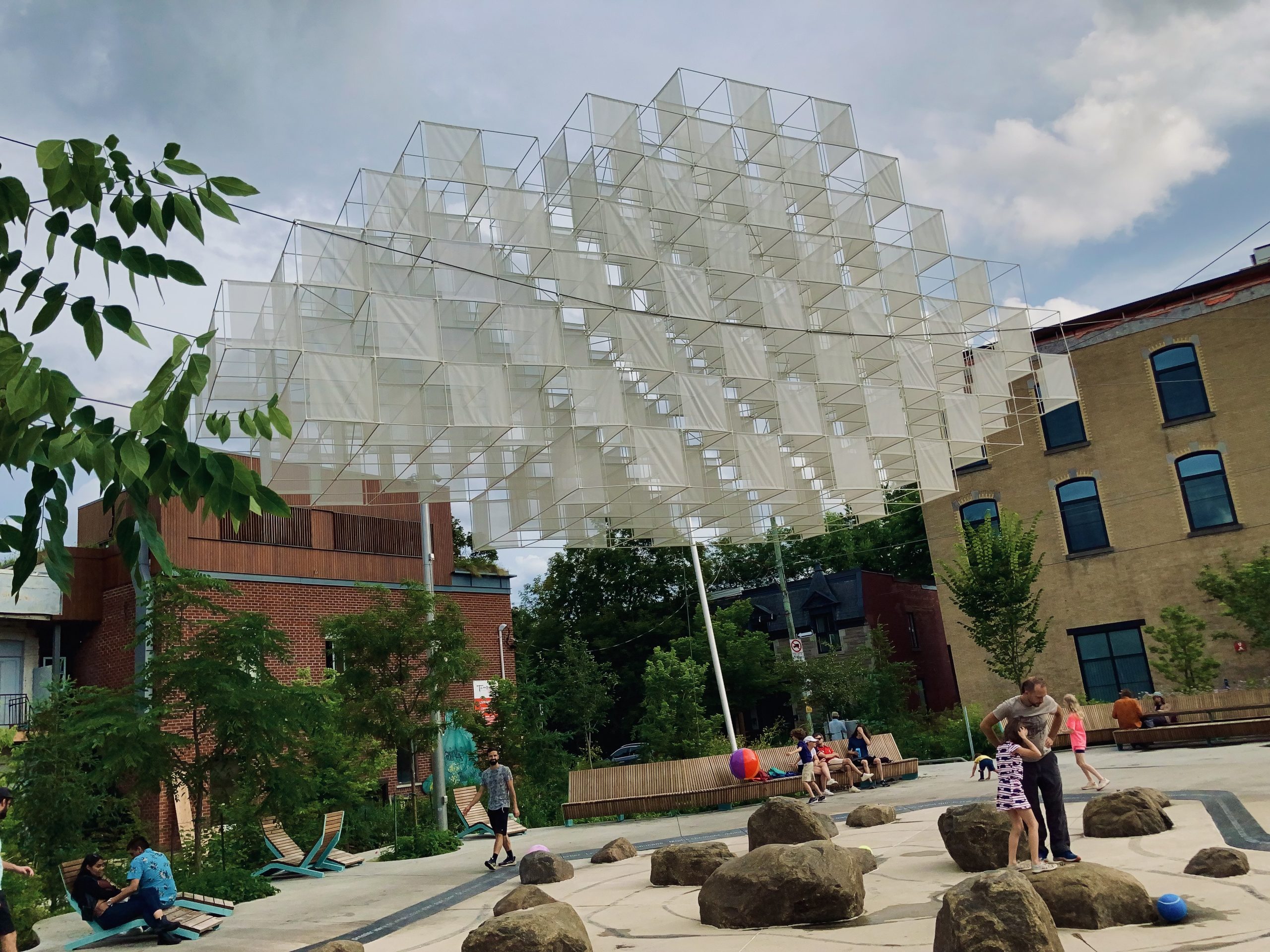
A random samaritan has also kindly kept the park stocked with a large selection of balls of all types, which made for a chaotic and playful visit.
By Neale Van Fleet on July 25th, 2023
By Neale Van Fleet on July 25th, 2023
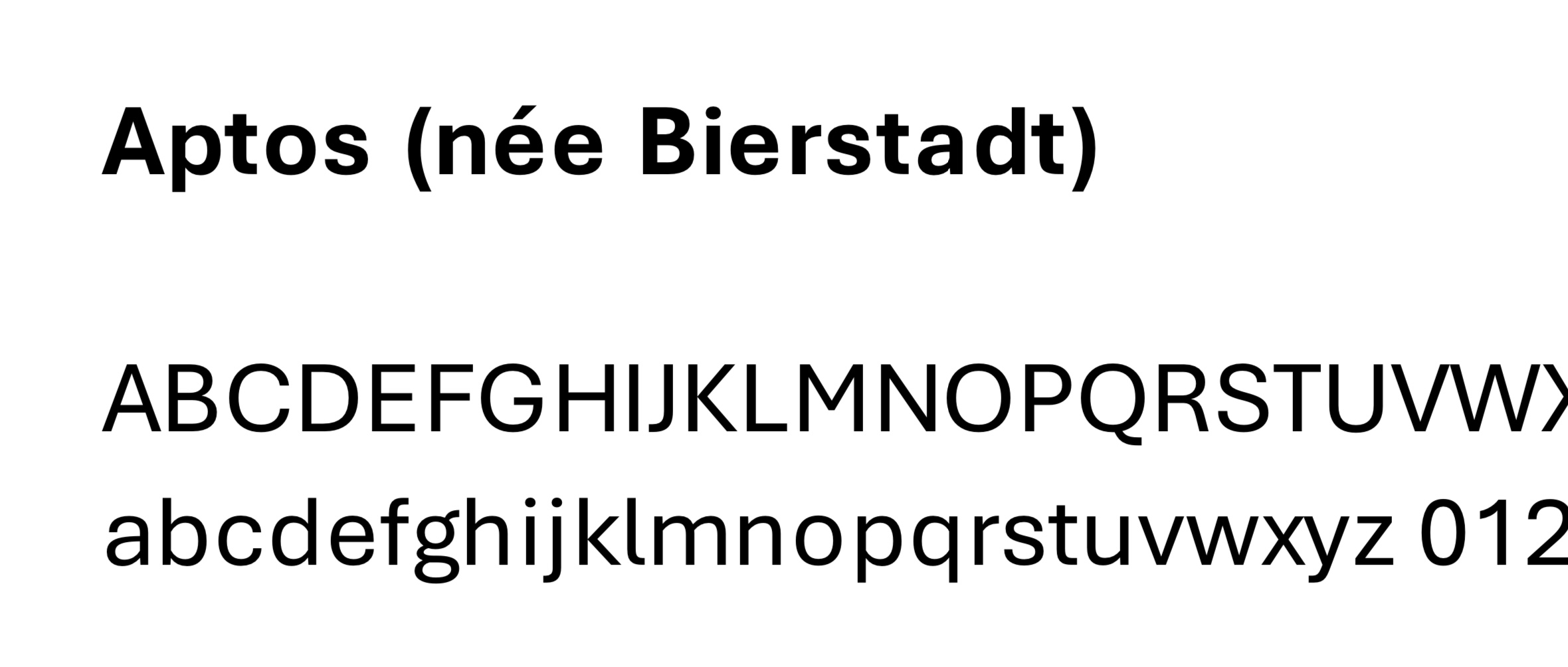
John Gruber of tech/Apple blog Daring Fireball has a nice rundown of Aptos, Microsoft’s upcoming default font for its Office apps.
What I find weird about the whole thing is that Microsoft still hasn’t really shown any of these new fonts. They’ve provided glimpses of them, but mostly at large display sizes, not text sizes, which is where they really matter in the context of Office documents. I’m not the only one to find this curious.
So I took matters into my own hands, and created rudimentary specimens for each of Microsoft’s five new typefaces
All are better than Arial. I don’t use office, but as Gruber says:
it’s impossible not to encounter documents created with Office, whether you personally use it or not. Thus, Microsoft’s typographic choices affect us all.
Read More →
By Neale Van Fleet on July 24th, 2023
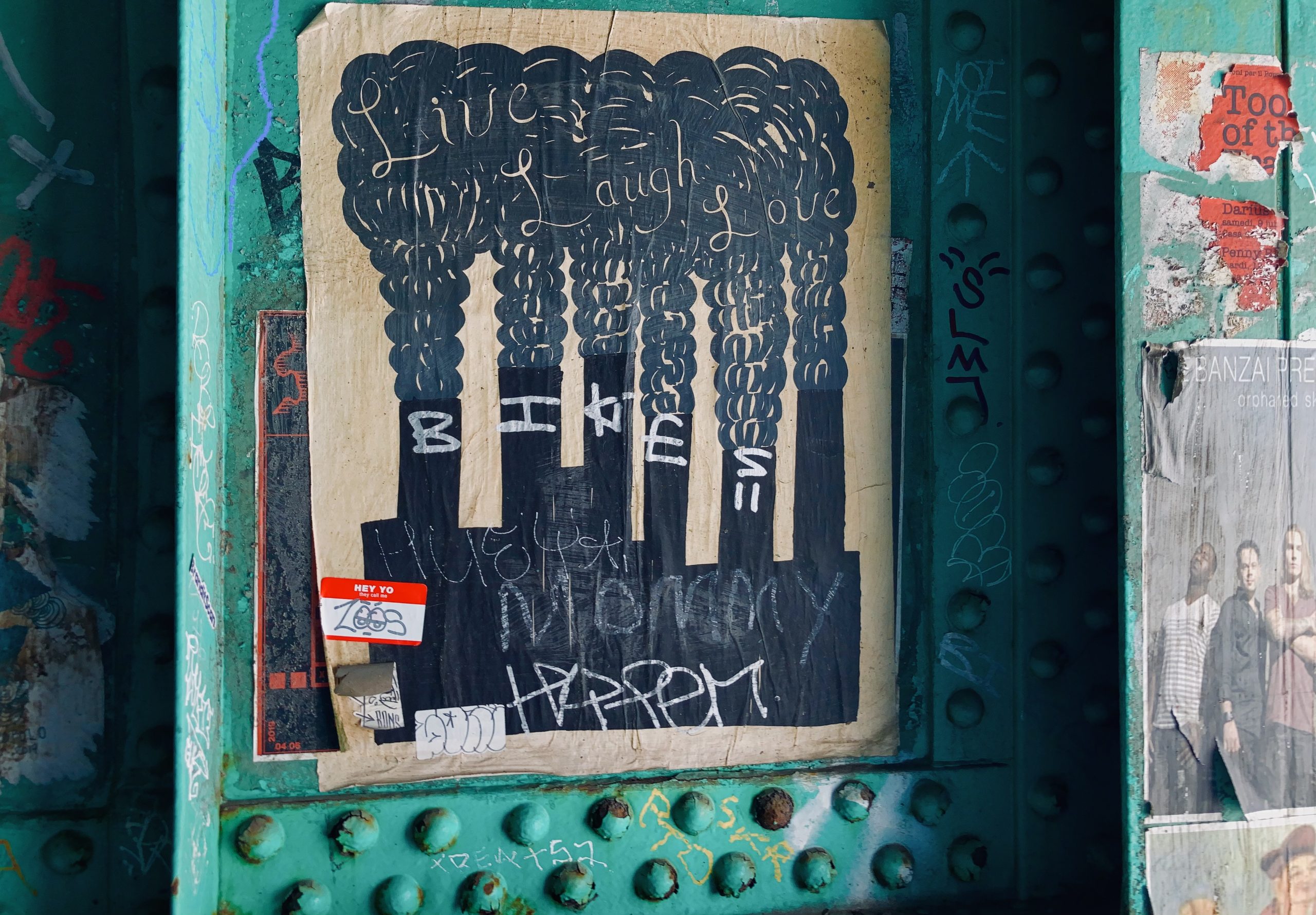
Paste-up by unknown artist found in a railway underpass.
By Neale Van Fleet on July 24th, 2023
The Yámana or Yahgan language of Tierra del Fuego is an extinct language with an absolutely massive and wonderfully expressive vocabulary. The 1933 dictionary of translations from this language is seriously delightful, and insightful, to read. Every single page contains numerous examples of words for which English fails to produce comparatively evocative equivalents. Some favourites, with regretfully slightly improper accents:
Usip-isin: a man who has no proper place of abode, or acts as though he had none, being at home equally among strangers as at home; who lives anywhere and everywhere.
Uspi: to lie with the back to the fire.
Cilagagöna: to be overtaken by night when out anywhere, or in doing anything. To he out doing anything at the close of day.
Ciyoida-g: Not to feel, or much regret, the loss of near relatives.
Amun-ata: To draw up, shrink together, as any part of the body when hurt, as snails when touched
Ösik-agu: to call out from a distance for news. To inquire from a distance.
Gala-iela: to act as tho not hurt when severely hurt. To make light of severe falls and other hurts.
Access the whole dictionary in PDF →
By Neale Van Fleet on July 23rd, 2023

By Neale Van Fleet on July 22nd, 2023
I’m a bit too snowed-under these past few days to post much. So here is something from the archives, a quote from Carlo Rovelli’s Reality Is Not What It Seems, a book about quantum gravity, which I thought was a great summary of science:
Though rooted in previous knowledge, science is an adventure based on continuous change. The story I have told reaches back over millennia, tracing a narrative of science that has treasured good ideas, but hasn’t hesitated to throw ideas away when something was found that worked better. The nature of scientific thinking is critical, rebellious, and dissatisfied with a priori conceptions, reverence, and sacred or untouchable truth. The search for knowledge is not nourished by certainty: it is nourished by a radical distrust in certainty.
By Neale Van Fleet on July 21st, 2023
